
It starts with checking one headline before bed. Twenty minutes later, it's forty tabs of bad news, a tight feeling in the chest, and no memory of how the last half hour actually happened. This is not a random bad habit that only happens to a few people. According to a 2024 Morning Consult survey, about 31% of American adults say they regularly doomscroll, and that number climbs to 51% among Gen Z, the highest rate of any generation tracked.
This has a name, a measured pattern, and real research behind why it happens and what actually works to stop it.
What Doomscrolling Actually Means
Doomscrolling is the act of spending excessive time scrolling through news or content that makes someone feel sad, anxious, or angry, without being able to stop even while it makes things worse. Merriam-Webster added "doomscroll" to the dictionary in September 2023, one of 690 new entries that update.
The term first showed up online around 2018, then spread fast in 2020 as people tried to keep up with a global pandemic that changed by the hour. Journalist Karen Ho helped popularize it that March, describing her own habit of endless scrolling for updates. Oxford Languages flagged the word in its 2020 "Words of an Unprecedented Year" report. Five years later, it is not a pandemic-era fluke. It is a daily habit that got documented and never went away.
How Common Doomscrolling Really Is
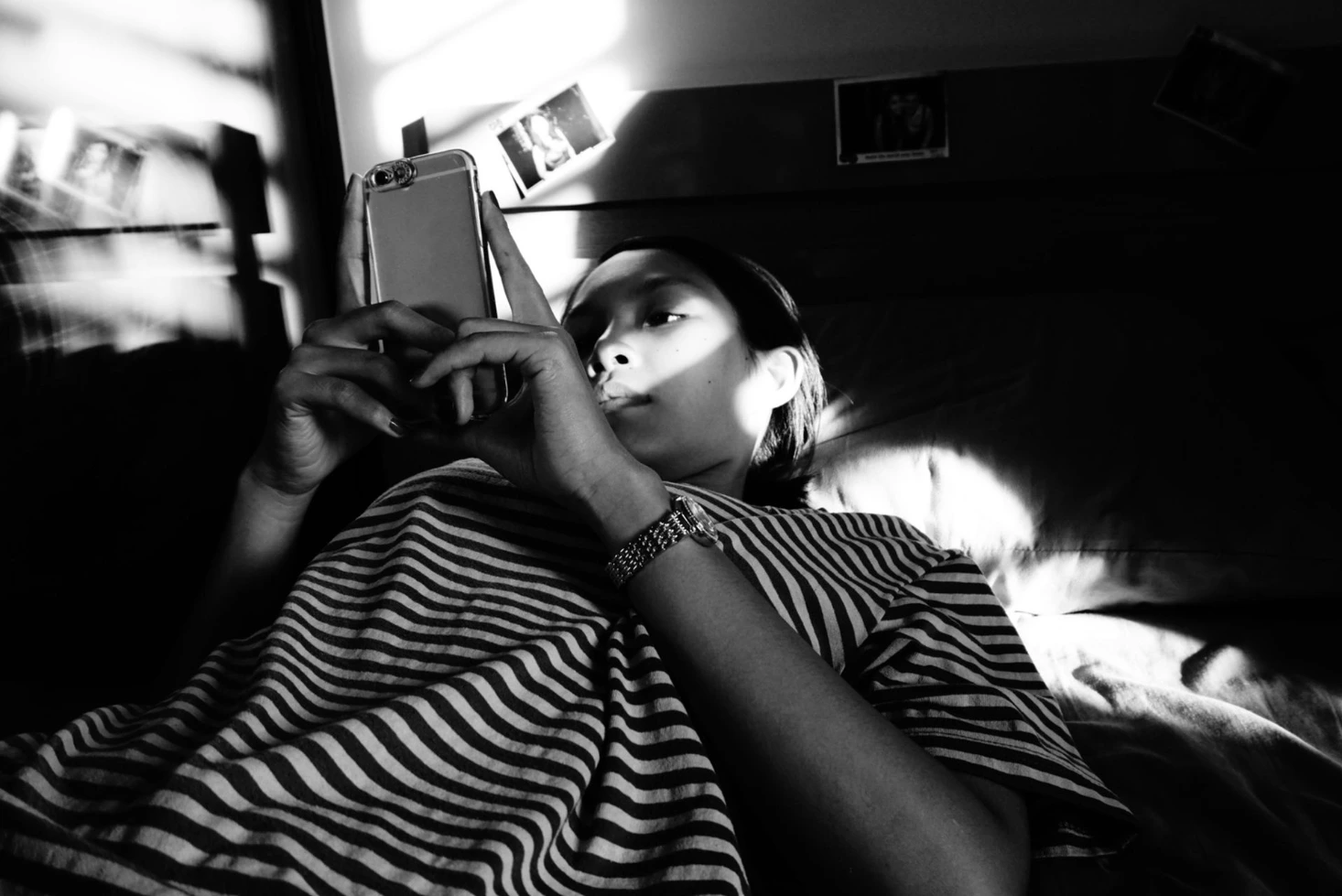
The numbers are not small. Along with the 31% of adults who regularly doomscroll, millennials come in second at 46%, according to the same Morning Consult data.
Sleep is where this shows up most clearly. A 2025 survey from the American Academy of Sleep Medicine, covering just over 2,000 US adults, found that 38% say scrolling through news or current events before bed makes their sleep slightly or significantly worse. Among adults aged 18 to 24, that number jumps to 46%. Only 14% of adults say they never check news at bedtime, and roughly half of all adults sleep with an active screen within reach every single night.
Case Study: What University of Florida Researchers Found
Numbers about frequency are one thing. Numbers about mechanism are another.
In January 2022, University of Florida researchers Benjamin Johnson, Bhakti Sharma, and Susanna Lee published a study in the American Psychological Association's journal Technology, Mind, and Behavior. Their goal was to find out whether doomscrolling was a real, distinct behavior or just a new label for an old habit.
They built and tested a measurement scale specifically for doomscrolling, and the results held up. Doomscrolling turned out to be tied to online vigilance, problematic internet and social media use, fear of missing out, and reduced self-control. It showed up more in men, younger adults, and people who were politically engaged. One of the researchers described it as living through an ongoing crisis while holding a newsfeed that never actually ends, which keeps the scrolling going.
Other research backs this up with real-world stakes attached. A 2023 study of adults who survived major earthquakes in Türkiye found that doomscrolling increased stress, anxiety, and depression levels. Women showed a stronger tendency to doomscroll, and people already dealing with anxiety or depression scrolled more, not less, which runs opposite to the idea that staying informed should help. A 2024 study of 800 adults, published in Computers in Human Behavior Reports, linked heavier doomscrolling to higher existential anxiety. That same year, an American Psychiatric Association poll found 70% of adults felt anxious specifically about current events.
Doomscrolling Doesn't Stay in Bed
Sleep is the easiest place to measure doomscrolling, since a phone lighting up at midnight is hard to miss. The daytime version is quieter but costs just as much.
A 2024 American Psychiatric Association poll found 43% of US adults felt more anxious than they had the year before, and 70% said they felt anxious specifically about current events. That anxiety does not stay contained to a five-minute news check between tasks. Research on attention from UC Irvine has found that once focus gets pulled away from a task, it takes roughly 25 minutes to fully return to where it was. A doomscrolling break during a study session or a work block does not cost the two or three minutes it feels like. It costs the task that came right after it too.
For anyone building a side hustle, studying for exams, or juggling both, that math adds up fast. A handful of "quick checks" scattered through a workday can eat closer to an hour of real, usable focus once the recovery time gets counted in. The scroll feels short. The bill comes due in whatever was supposed to happen right after it.
Why the Brain Won't Let Go
None of this is a character flaw.
Human brains evolved to scan for threats first. Noticing danger used to mean staying alive, so negative information naturally grabs attention harder than neutral or positive information does. That wiring has not changed. What changed is the environment feeding it. Social platforms are built to serve whatever content keeps someone watching, and negative, high-emotion content tends to do exactly that, regardless of what it does to someone's mood afterward.
Researchers describe the pattern in three parts: continuing to scroll despite wanting to stop, content that is upsetting rather than neutral, and a complete loss of time awareness while it happens. Doomscrolling is not a clinical diagnosis, but the pattern it describes is real, measured, and consistent enough that a peer-reviewed scale now exists to track it.
Platforms do not need someone to enjoy a piece of content to keep serving more of it. Engagement gets measured in time spent and clicks, not mood afterward, so a feed built to maximize engagement and a feed built to support wellbeing end up looking nothing alike. That is worth remembering the next time a scroll session ends with a tight chest instead of an actual answer to anything.
How to Stop Doomscrolling Without Quitting the News
The fix is not disconnecting from the world. It is changing how and when the scrolling happens.
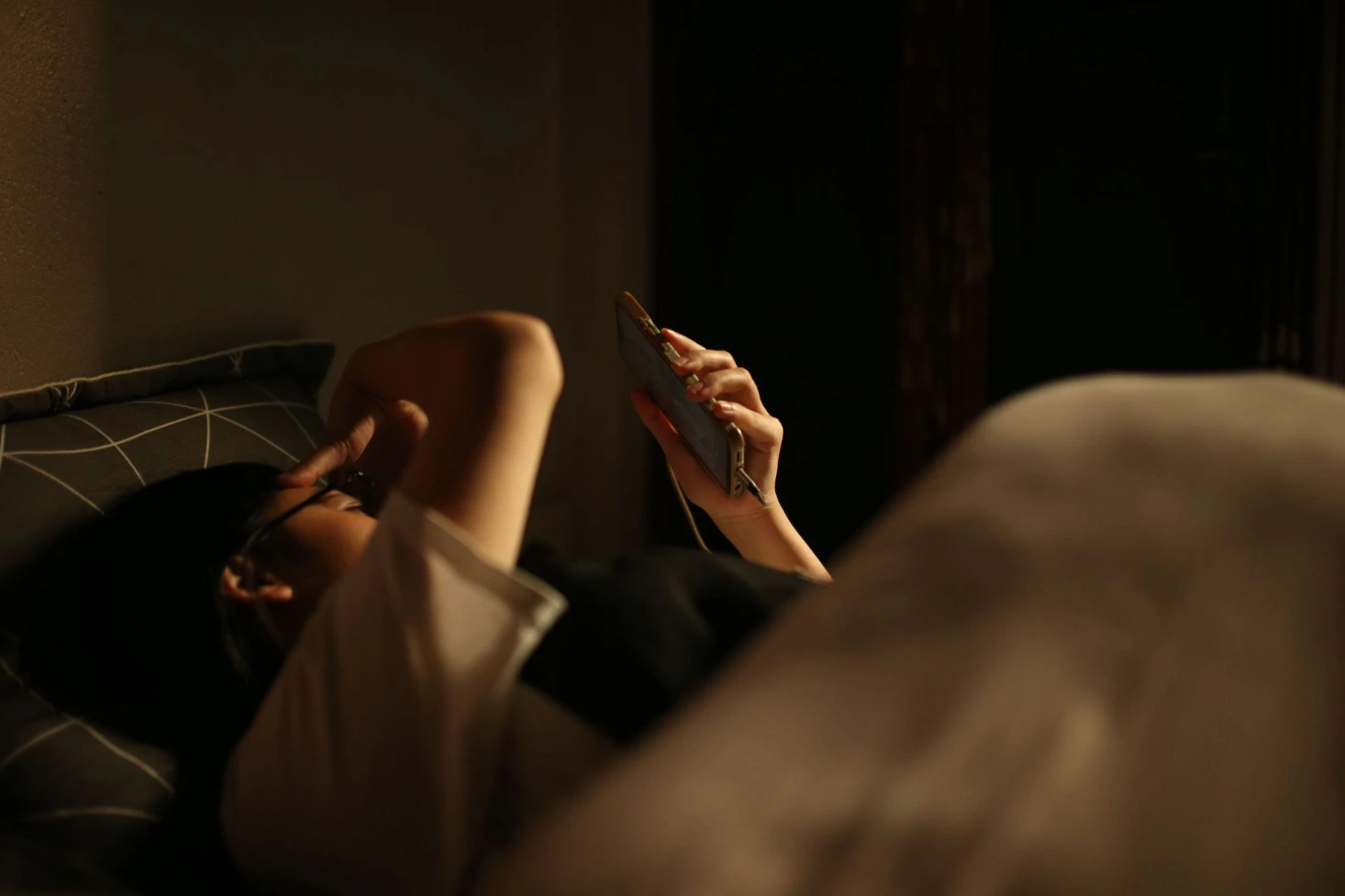
Set a hard cutoff before bed. Sleep researchers recommend powering down phones and tablets 30 to 60 minutes before sleep. Charging the phone in another room removes the option entirely instead of relying on willpower at midnight.
Replace the reflex instead of just removing it. Swapping a late-night scroll for something low-stimulation, like reading a few pages or writing down three lines about the day, gives the hands and mind something else to do during that same window.
Set specific check-in windows. Checking news two or three times a day at set times covers the same ground as constant micro-checking, without the all-day drip of stress hormones.
Add friction on purpose. Logging out of apps between sessions, moving news apps off the home screen, and turning off push notifications all add a small pause. That pause is often enough to break the automatic reach for the phone.
Curate the feed. Muting or unfollowing accounts that post nothing but alarm, and following a couple of sources that include context or solutions, changes what shows up without requiring a full break from news.
Use built-in screen time limits. Most phones already include app-specific timers. Setting a daily cap on news and social apps turns the decision to stop into a background setting instead of a fresh negotiation with willpower every single time.
Track the after-effect for a week. Noting mood before and after a scrolling session works the same way a spending log works for money. Once the cost is visible, the habit gets easier to change on purpose.
The Bottom Line
Doomscrolling has a dictionary entry, a university-validated measurement scale, and survey data tracking it across every generation. That is not the profile of a personal failing. It is a documented interaction between how human brains are wired and how modern platforms are built.
The fix is not cutting off from the news completely. It is restructuring when and how it gets consumed, one change at a time. Start with the bedtime cutoff, run it for a week, and notice what changes before adding the next one.
FAQ
Is doomscrolling a diagnosed mental health condition? No. It is not listed as a clinical diagnosis. It is a documented behavioral pattern, and researchers at the University of Florida built and validated a scale to measure it, but that is different from a medical condition with formal diagnostic criteria.
How much doomscrolling is too much? There is no fixed number in the research. Instead of counting minutes, the signs researchers look at are disrupted sleep, a spike in anxiety tied to current events, and losing track of time while scrolling. If those show up regularly, the amount is already a problem regardless of the clock.
Does doomscrolling only happen on news apps? No. It applies to any feed that keeps serving distressing content, which includes social media, group chats, forums, and comment sections just as easily as a dedicated news app.
Does doomscrolling affect everyone the same way? Not quite. The University of Florida study found it showed up more in men, younger adults, and politically engaged people. A separate study on earthquake survivors in Türkiye found women showed a stronger tendency to doomscroll after the crisis. The pattern shifts depending on context, which suggests triggers matter as much as who someone is.
Will deleting social media apps fix doomscrolling? Not by itself. Most people who delete apps completely end up reinstalling them within days. Structuring use, through set check-in times, screen time limits, and a bedtime cutoff, tends to hold up longer than an all-or-nothing approach.